Signs Your Elderly Parent Needs Professional Care
Signs Your Elderly Parent Needs Professional Care
It can be difficult to accept that a parent who once cared for you now needs care themselves. Many Malaysian families try to manage elderly care at home for as long as possible, but there comes a point when professional care becomes the safer and more compassionate choice.
Recognising the warning signs early allows you to plan ahead and ensure your loved one receives the support they need. Here are seven key indicators that it may be time to consider professional elderly care.
1. Frequent Falls or Balance Issues
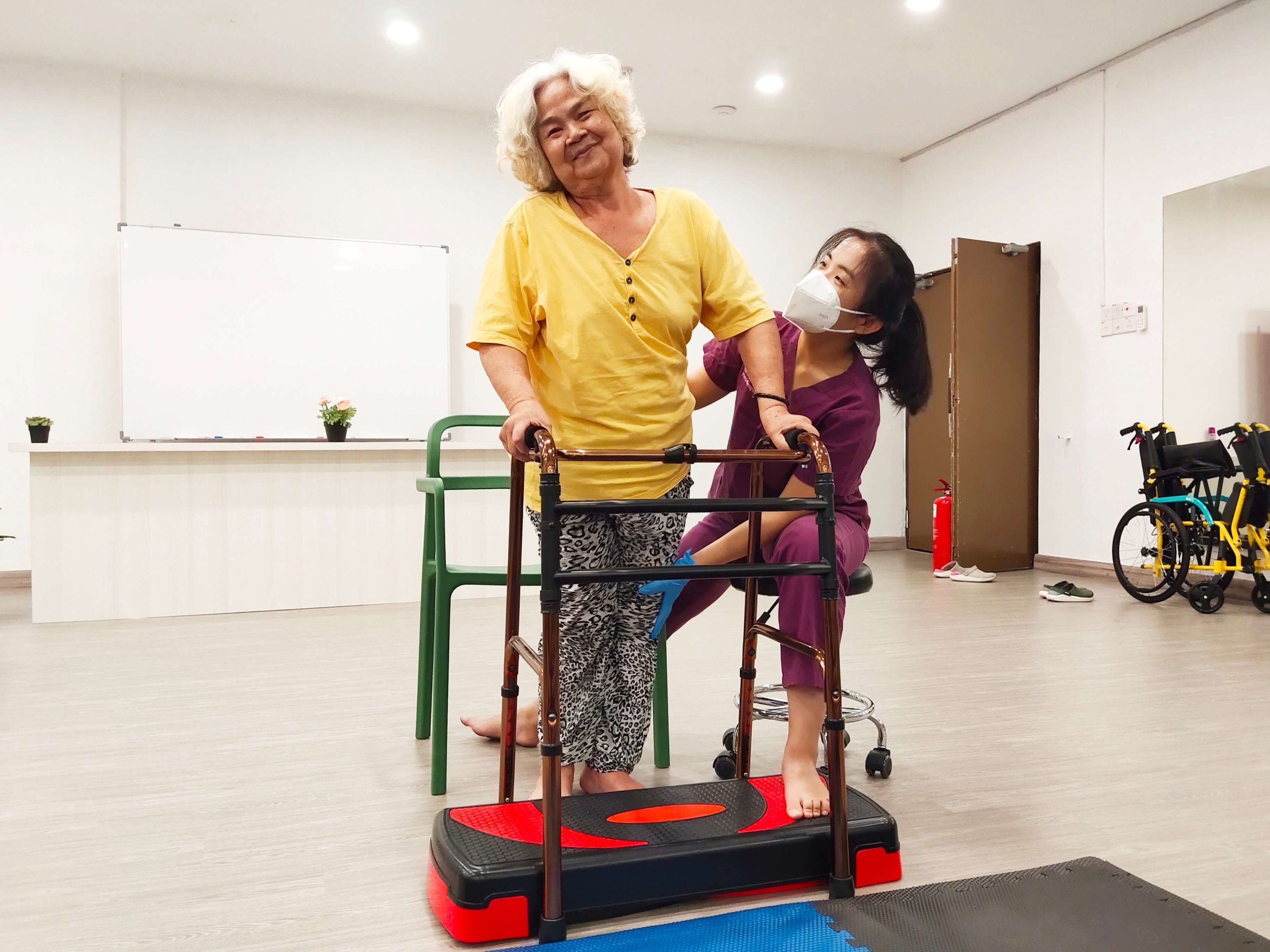
Falls are one of the leading causes of injury among the elderly. If your parent has experienced multiple falls, near-misses, or has visible bruises they cannot explain, their safety at home may be at risk. Professional care facilities have safety features like handrails, non-slip flooring, and trained staff available around the clock to prevent and respond to falls.
2. Noticeable Memory Loss or Confusion
Occasional forgetfulness is normal with ageing, but frequent memory lapses — such as forgetting to take medication, getting lost in familiar places, or repeating the same questions — may signal early dementia. Professional dementia care programmes provide structured cognitive stimulation and a secure environment designed for residents with memory conditions.
3. Decline in Personal Hygiene
If your parent is neglecting personal hygiene — wearing the same clothes for days, not bathing regularly, or having unkempt hair and nails — they may be struggling to manage daily self-care. This can be a sign of physical limitations, depression, or cognitive decline.
4. Weight Loss or Poor Nutrition
Unexplained weight loss, an empty refrigerator, or expired food in the kitchen are warning signs. Elderly individuals may stop eating properly due to difficulty cooking, loss of appetite from medication, or simply forgetting to eat. Nursing homes provide nutritious, dietician-supervised meals served three times daily.
5. Increased Social Isolation
If your parent has withdrawn from social activities, stopped visiting friends, or rarely leaves the house, loneliness and isolation may be affecting their mental health. Elderly care centres offer daily social activities, group exercises, and a community of peers that can significantly improve emotional wellbeing.
6. Caregiver Burnout in the Family
Family caregivers often experience physical exhaustion, emotional stress, and strained relationships. If you or other family members are struggling to balance caregiving with work and personal life, it may be time to seek professional support. There is no shame in asking for help — it is an act of love, not abandonment.
7. Medical Needs Beyond Home Care
Some conditions require round-the-clock medical monitoring that is difficult to provide at home. If your parent needs regular wound care, catheter management, oxygen therapy, or multiple daily medications, a nursing home with trained nurses and an on-site doctor can provide safer, more consistent care.
What to Do Next
If you recognise one or more of these signs, start by having an honest conversation with your family and your parent. Research reputable care facilities, visit a few in person, and speak to the care team about your parent's specific needs.
At Genesis Life Care, we understand that this decision is never easy. Our team is here to answer your questions, give you a tour of our facilities, and help you explore the best care options for your loved one.