Benefits of Physiotherapy for Elderly After Stroke
Benefits of Physiotherapy for Elderly After Stroke
A stroke can dramatically change an elderly person's life within minutes. Sudden loss of mobility, speech difficulties, and cognitive changes can leave both the patient and their family feeling overwhelmed. However, with the right rehabilitation — especially physiotherapy — many stroke survivors can regain significant function and independence.
This article explains why physiotherapy is crucial for elderly stroke recovery, what types of therapy are involved, and how families can support the process.
Why Physiotherapy Is Essential After a Stroke
After a stroke, the brain's ability to control certain body functions is disrupted. Physiotherapy works by helping the brain form new neural pathways — a process called neuroplasticity. Through repetitive, targeted exercises, stroke survivors can retrain their brains and bodies to perform movements that were affected.
The key benefits of physiotherapy for elderly stroke patients include:
- Restoring mobility — Targeted exercises help patients regain the ability to walk, stand, and transfer between surfaces.
- Rebuilding strength — Stroke often causes muscle weakness on one side of the body. Strengthening exercises gradually restore muscle tone and power.
- Improving balance and coordination — Balance training reduces the risk of falls, which is critical for elderly patients.
- Preventing complications — Regular movement prevents secondary issues like blood clots, pressure sores, and joint stiffness.
- Boosting confidence — As patients see progress, their confidence and motivation improve, supporting ongoing recovery.
- Enhancing quality of life — Greater independence in daily activities means a better quality of life for the patient and less burden on caregivers.
Types of Therapy in Stroke Rehabilitation
A comprehensive stroke rehabilitation programme typically includes multiple types of therapy:
Physiotherapy
Focuses on gross motor skills — walking, standing, sitting balance, and transfers. Physiotherapists use exercises, stretching, and sometimes assistive devices to help patients regain physical function.
Occupational Therapy
Focuses on fine motor skills and daily living activities — eating, dressing, bathing, and grooming. Occupational therapists help patients relearn the practical skills needed for independent living.
Speech and Language Therapy
For patients who experience speech difficulties (aphasia) or swallowing problems (dysphagia) after stroke. Speech therapists work on communication skills and safe swallowing techniques.
When Should Physiotherapy Start?
Research consistently shows that early rehabilitation produces better outcomes. Ideally, physiotherapy should begin within 24 to 48 hours after the stroke (once the patient is medically stable). The first three to six months after a stroke are considered the critical recovery window, when the brain is most responsive to rehabilitation.
However, it is never too late to start. Even patients who begin rehabilitation months after their stroke can still make meaningful improvements.
What to Expect During Recovery
Stroke recovery is a gradual process that varies for each individual. Some patients see rapid improvement in the first few weeks, while others progress more slowly. Factors that influence recovery include:
- The severity and location of the stroke
- The patient's overall health and fitness before the stroke
- How quickly rehabilitation begins
- The intensity and consistency of therapy sessions
- The patient's motivation and family support
Most rehabilitation programmes involve daily therapy sessions, typically lasting 30 to 60 minutes. Progress is tracked through regular assessments, and therapy plans are adjusted as the patient improves.
Stroke Rehabilitation at Genesis Life Care
Genesis Life Care provides comprehensive stroke rehabilitation across all five of our centres. Our rehabilitation team includes qualified physiotherapists and occupational therapists who work closely with our on-site doctors and nursing staff to create personalised recovery plans for each patient.
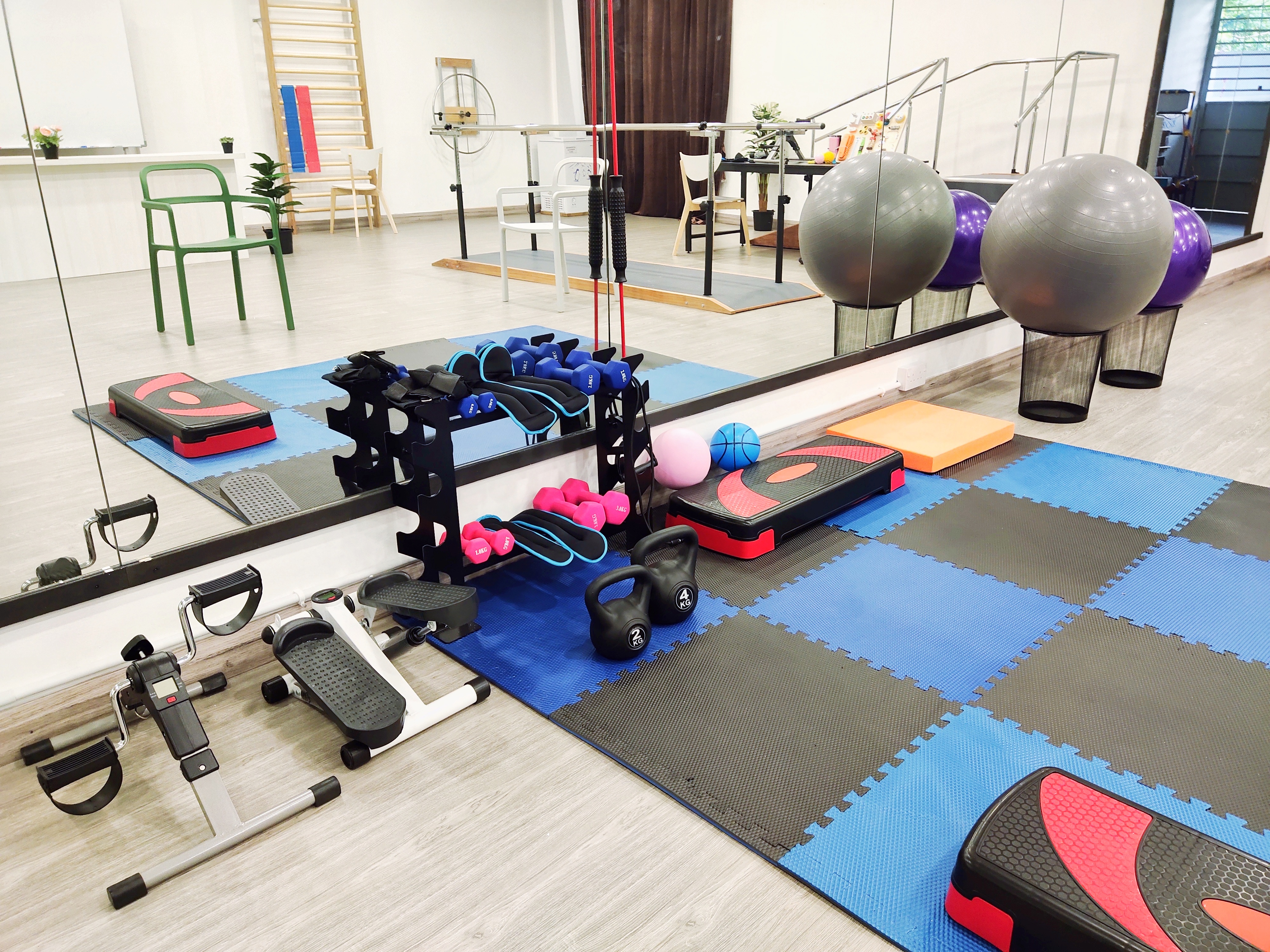
Our centres are equipped with rehabilitation spaces and equipment designed for elderly patients. We focus on helping stroke survivors regain as much independence as possible while ensuring they are safe and comfortable throughout the recovery process.